How Much Does a Trip to Nuremberg Really Cost? (Backpacker vs Mid-Range vs Luxury)
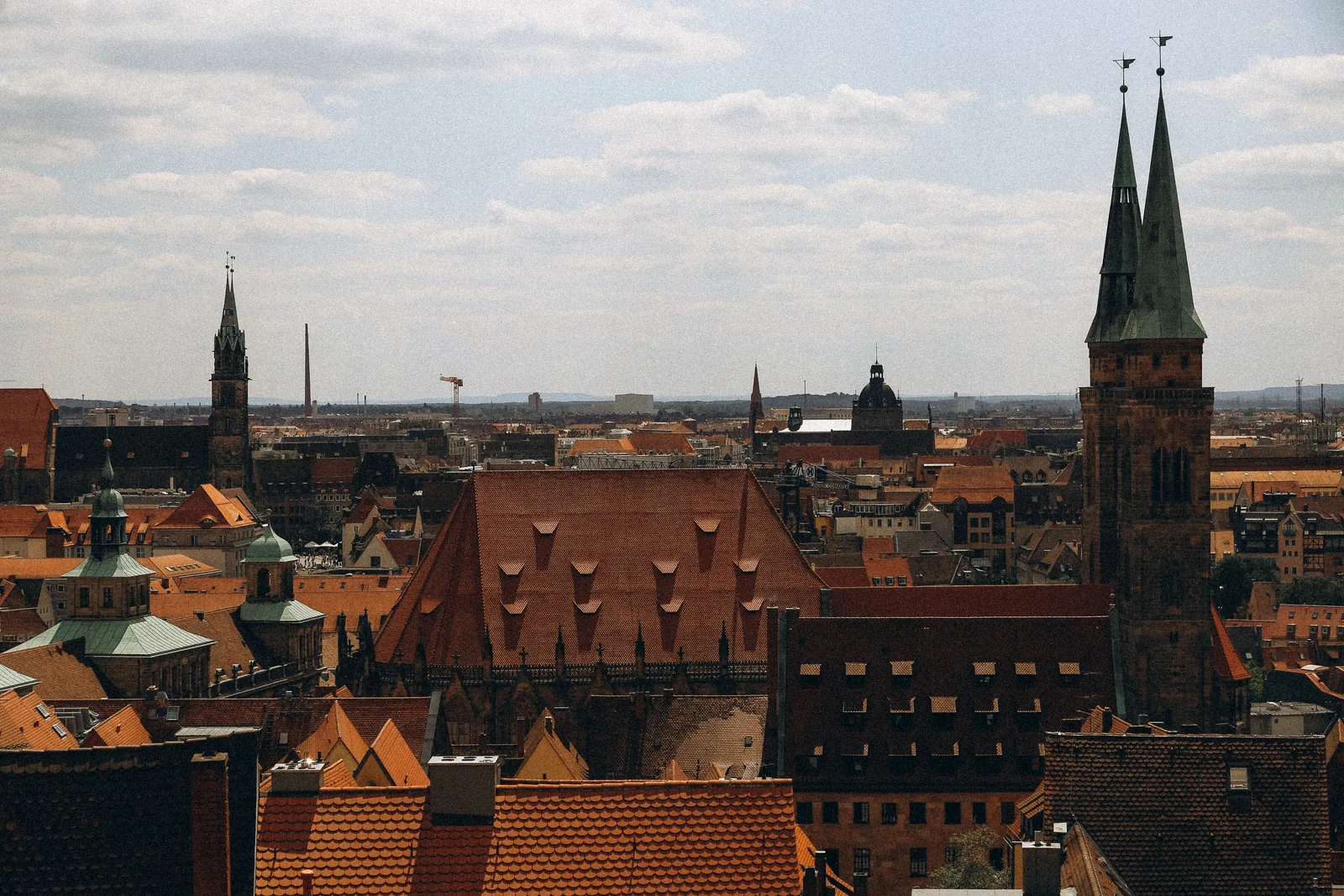
Quick answer
Nuremberg can work at very different budgets because the historic center is compact and many core sights can be reached on foot. The biggest swing factor is accommodation, followed by how often you eat out and whether you treat the city as a base for day trips. Build the budget from fixed costs first rather than trusting a generic daily average.
Nuremberg is one of those cities where two travelers can take almost the same trip and spend dramatically different amounts.
The reason is not the sightseeing. The historic center is compact, walking can replace a surprising number of transport journeys, and you do not need a long list of expensive attractions to understand the city.
The real budget split happens elsewhere: where you sleep, how you eat, how you arrive and whether Nuremberg is the whole trip or a base for exploring Franconia.
Quick answer: what should you budget?
Instead of pretending one exact euro figure will still be correct for every date, use these as planning bands, then replace the accommodation line with a live quote for your own stay.
| Travel style | Sensible daily planning band* | What that trip looks like |
|---|---|---|
| Backpacker / budget | €60–€100 | Hostel or very cheap room, bakery/supermarket meals mixed with casual food, mostly walking, selective paid sights |
| Mid-range | €130–€220 | Well-located hotel, restaurants each day, paid highlights, local transport when useful |
| Comfortable / luxury | €280+ | Upscale central hotel, destination dining, taxis when convenient, paid experiences without much price filtering |
*Per person when traveling solo, excluding the journey to Nuremberg. Couples sharing a hotel room will usually spend less per person on accommodation than solo travelers. During major events and the Christmas-market period, accommodation can overwhelm these bands completely.
That last point matters. A €25 difference in dinner is noticeable. A hotel that jumps €120 for the night changes the trip.
The five costs that actually determine your Nuremberg total
1. Accommodation: solve this before everything else
Nuremberg’s center is compact enough that paying for location can genuinely save time. But that does not mean you need to sleep directly beside the Hauptmarkt.
When comparing rooms, record the final nightly total, not the first number shown in search results:
- room rate;
- taxes and mandatory charges;
- breakfast;
- cancellation conditions;
- distance from the Old Town;
- distance from a U-Bahn or tram stop if you stay farther out.
For a short city break, I would usually pay a modest premium for a location that lets me walk home after dinner. I would not pay a huge premium simply to have a postcard view.
The date trap
Nuremberg hosts major fairs, events and one of Europe’s best-known Christmas markets. On high-demand dates, accommodation is not merely “a little more expensive” — it can become the category that dictates whether the trip makes financial sense.
Check the hotel price before booking non-refundable transport.
That one habit prevents more budget damage than hunting for a €2 cheaper lunch.
2. Getting there: the cheapest ticket can create the more expensive trip
Nuremberg Hauptbahnhof sits directly at the edge of the historic center, which makes rail arrival unusually convenient. If you arrive by train and choose central accommodation, you may be able to start sightseeing without paying for another transfer.
The airport is also connected to the center by U-Bahn, so a taxi is a convenience rather than an automatic necessity.
Compare the entire arrival cost:
fare + luggage + airport/station transfer + inconvenient departure time + extra hotel night if required
A flight that saves €30 but lands at an awkward time can easily lose its advantage.
3. Local transport: do not buy mobility you will not use
Nuremberg’s Old Town is highly walkable. That changes the economics of a city break.
Do not automatically buy a multi-day transport product because “you always need one in European cities.” First map your accommodation and your actual itinerary.
You are more likely to need local transport when:
- your hotel is outside the center;
- you are arriving from the airport;
- you are visiting locations beyond the Old Town;
- weather makes walking less appealing;
- you are combining Nuremberg with nearby places.
For a traveler sleeping centrally and focusing on the historic core, transport may be a small line item rather than a daily expense.
4. Food: decide which meals deserve the budget
Nuremberg is a poor place to budget food as three identical restaurant meals per day.
A better structure is:
Budget traveler
Bakery or supermarket breakfast, inexpensive lunch, then one casual local meal.
Mid-range traveler
Breakfast at the hotel or cafe, simple lunch, proper sit-down dinner, plus room for coffee or a snack.
Comfortable traveler
Choose restaurants for experience rather than price and treat drinks, coffee and dessert as part of the food budget instead of pretending they do not count.
The hidden category is small food spending: coffee, pastries, beer, market snacks and Nuremberg sausages eaten while sightseeing. None feels expensive alone. Together they can equal another meal.
Give snacks and drinks their own line.
5. Attractions: pay for context, not for a checklist
You do not need to buy entry to everything.
The Old Town, city walls, bridges, squares and streets provide a large amount of sightseeing without admission. Then choose the paid places that explain the version of Nuremberg you actually came to understand.
The Imperial Castle is an obvious candidate for many first-time visitors. The combination ticket is currently €10 for an adult, while its gardens can be visited free. Prices can change, so check the official site before travel.
The useful budgeting question is not:
How many attractions can I fit in?
It is:
Which two or three paid places would make the city more meaningful to me?
That produces both a better budget and a less exhausting itinerary.
Three realistic trip styles
Backpacker / budget: spend on the bed and one good experience
Your biggest opportunity is accommodation. Once that is controlled, Nuremberg is relatively easy to explore cheaply because you can walk so much of the center.
Priorities:
- hostel or simple accommodation with good transit/walking access;
- bakery, supermarket and casual meals;
- refillable water bottle;
- free city exploration;
- one or two paid attractions you genuinely care about;
- public transport only when it solves a real journey.
Do not stay far outside the city simply to save a tiny amount if the trade-off is repeated transport and lost time.
Mid-range: the sweet spot for a short Nuremberg trip
This is where Nuremberg works particularly well.
Pay for:
- a comfortable, well-located hotel;
- one good restaurant meal each day;
- the museums or historical sites that match your interests;
- transport when it saves meaningful time.
Save on:
- unnecessary taxis;
- expensive hotel breakfast if you prefer exploring local cafes;
- buying a transport pass without calculating your journeys;
- stacking paid attractions simply because they are famous.
Luxury / comfortable: buy ease, not pointless upgrades
The useful luxury in Nuremberg is friction reduction: excellent location, a room you enjoy returning to, memorable dining and flexibility.
I would spend extra on those before paying for private transport around a center that is often easier to experience on foot.
Luxury becomes especially worthwhile when the hotel itself is part of the trip or when a short stay means you value every hour.
The expense most travelers underestimate: day trips
Nuremberg is well positioned for exploring Franconia and Bavaria, which creates a budget trap.
You arrive planning a city break and then add Bamberg, Rothenburg, Regensburg or another destination. Suddenly the trip includes extra rail tickets, food on the move, reservations and less use of the hotel location you paid for.
Day trips are not bad value. Unplanned day trips are.
Before booking your Nuremberg hotel, decide whether you are buying:
- a Nuremberg city break; or
- a Nuremberg-based regional trip.
They should not have the same budget.
A better way to calculate your own trip
Use this formula rather than multiplying a blog’s daily average:
fixed trip costs + (daily flexible costs × number of days) + 10–15% buffer
Fixed trip costs
- transport to and from Nuremberg;
- accommodation;
- travel insurance if applicable;
- pre-booked attractions or tours;
- planned day-trip transport.
Flexible daily costs
- food;
- local transport;
- spontaneous attractions;
- drinks and snacks;
- shopping.
This separation matters because saving €10 on lunch cannot rescue a trip whose hotel was €400 more expensive than expected.
Your Nuremberg budget worksheet
| Category | Backpacker | Mid-range | Comfortable | Your actual quote |
|---|---|---|---|---|
| Transport to Nuremberg | — | — | — | ______ |
| Accommodation | ______ | ______ | ______ | ______ |
| Airport/local transport | ______ | ______ | ______ | ______ |
| Food | ______ | ______ | ______ | ______ |
| Paid sights | ______ | ______ | ______ | ______ |
| Day trips | ______ | ______ | ______ | ______ |
| Snacks/drinks | ______ | ______ | ______ | ______ |
| Shopping | ______ | ______ | ______ | ______ |
| Buffer | ______ | ______ | ______ | ______ |
| Total | ______ | ______ | ______ | ______ |
The final column is the important one. Replace estimates with live prices as soon as you book.
Where I would cut the budget first
If the total is too high, reduce it in this order:
- Change dates if accommodation is inflated by demand.
- Compare a slightly less central hotel with excellent transport.
- Remove a day trip that was added out of FOMO.
- Replace one restaurant meal per day with a simpler meal.
- Cut paid attractions that duplicate the same type of experience.
I would not start by stripping every coffee, snack and small pleasure out of the trip. A city break designed around constant self-denial is not an efficient budget; it is just an unpleasant one.
The number to calculate before you book
Find your trip ceiling: the total amount you can spend without regretting the trip afterward.
Then subtract the real accommodation and arrival costs first.
Whatever remains is your actual Nuremberg spending budget.
That reverses the way many travelers plan — but it makes the expensive decisions visible while you can still change them.
And in Nuremberg, that is the difference between a city break that feels surprisingly affordable and one where the budget disappeared before you even reached the castle.
Related downloadable
The matching printable for this guide is in progress — browse the Checklists & Printables library for other ready-to-use downloads.
Browse Checklists & Printables