How Much to Budget for a Bucket-List Nature Trip in Salzburg
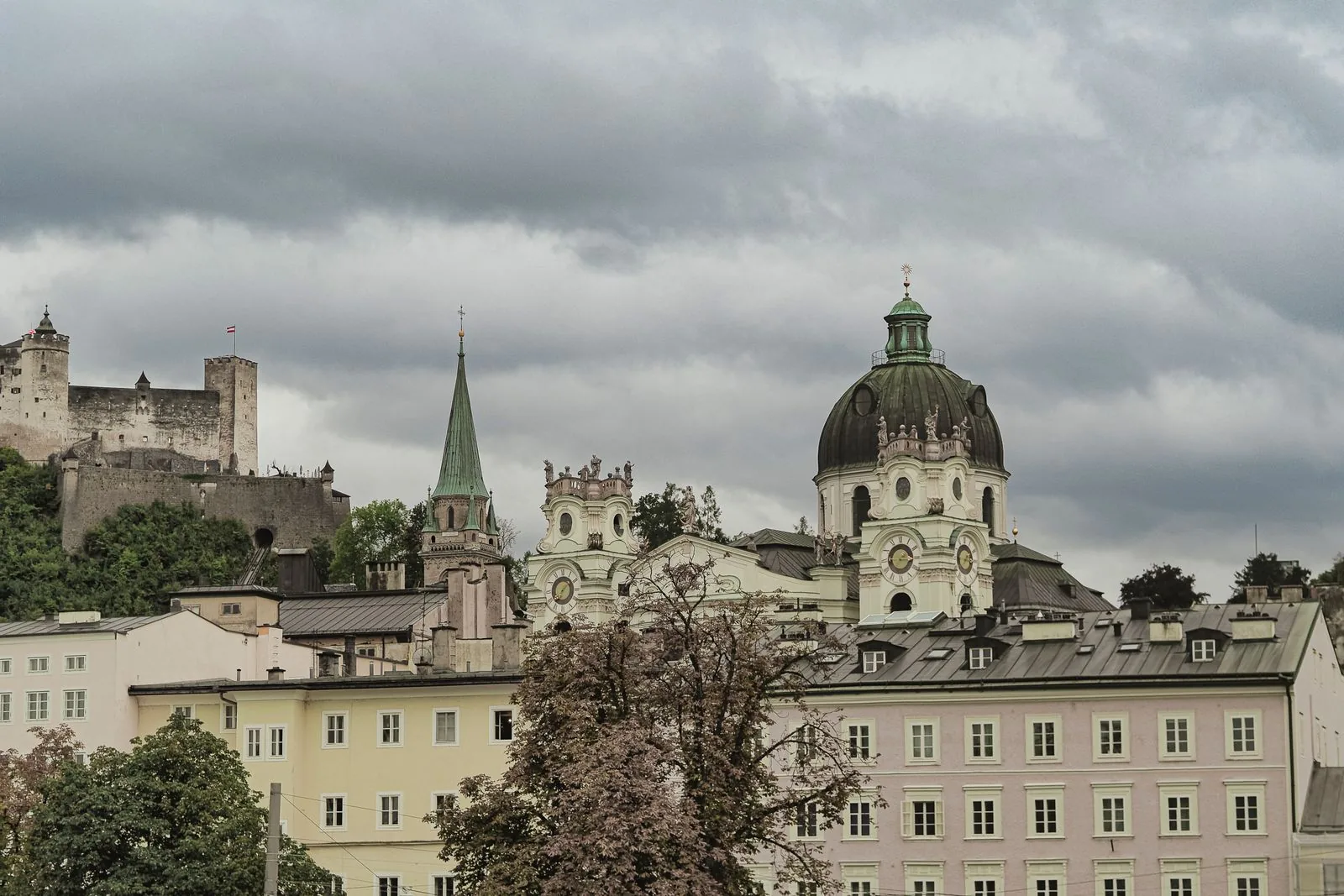
What this guide solves
A Salzburg nature trip is surprisingly easy to budget badly.
The city itself is compact. Many of its best views cost nothing. Public transport can replace a rental car for a large part of the trip. Then you add one mountain cable car, a lakeside day trip, a nicer room, a restaurant dinner and perhaps a guided excursion — and suddenly the number you had in your head no longer resembles the trip you are actually planning.
The useful question is not “How much does Salzburg cost per day?”
It is:
Which parts of my Salzburg trip are city days, which are mountain days, and which expensive experiences do I actually care about?
That distinction is what makes the budget predictable.
Quick answer
For most independent travelers, build the trip from four separate pots rather than one daily allowance:
| Budget pot | What belongs here | What changes it most |
|---|---|---|
| Sleep | Hotel, guesthouse, hostel or apartment | Location and room type |
| Everyday spending | Meals, coffee, city transport | How often you sit down for full meals |
| Nature access | Regional transport, cable cars, lake trips | Number of paid mountain days |
| Big experiences | Tours, concerts, special excursions | Your personal bucket list |
A traveler who spends three days walking Salzburg and one day in the mountains has a completely different cost structure from someone using Salzburg as a base for four consecutive alpine excursions.
That is why a single “€X per day” figure is often less useful than it looks.
Start with the trip you are actually taking
Before pricing anything, divide your itinerary into three kinds of days.
1. Salzburg city days
These can be relatively controlled.
You can walk much of the historic center, wander the Salzach riverbanks, climb to viewpoints and spend long stretches simply exploring neighborhoods. Your main variable costs are food and whichever museums or attractions you choose.
If you plan several paid city attractions close together, check the current Salzburg Card rather than buying everything automatically one by one. The official tourism board says the card includes one-time admission to city attractions and museums plus public transport and other benefits. The exact price changes, so compare the current card price with the attractions you genuinely intend to visit before buying it.
2. Easy nature days
These are the sweet spot for many travelers.
Think viewpoints, accessible lakes, valley walks and places you can reach by regular public transport without turning the day into a major expedition.
The mistake is assuming that “nature is free” means the day is free. The trail may cost nothing; reaching the trailhead may not.
Budget transport first. Everything after that becomes much easier to judge.
3. Big mountain or excursion days
This is where the budget can jump.
Cable cars, organized tours, longer regional journeys and famous day trips deserve their own line in the budget. Do not hide them inside a generic daily allowance.
If one particular alpine experience is the reason you are going to Salzburg, protect money for it before spending heavily on secondary attractions in the city.
The accommodation decision matters more than your coffee budget
Travel budgets often obsess over tiny savings while ignoring the biggest lever.
Your room.
A modest change in nightly accommodation cost, multiplied across a week, can outweigh days of careful supermarket lunches.
When comparing places to stay, look beyond the room rate:
- Can you walk to the old town?
- Is useful public transport nearby?
- Is breakfast included?
- Can you prepare even a simple breakfast or evening meal?
- Will the location force you into taxis after early departures or late returns?
A cheaper room in an inconvenient location is not always cheaper in practice.
For a nature-focused trip, also ask whether you truly need to sleep in central Salzburg every night. A split stay can sometimes make sense if several consecutive days are focused on a different area — but moving hotels for a single night usually creates more friction than savings.
Food: decide where you want the experience
You do not need to choose between “restaurants every meal” and “eat sandwiches for a week.”
A better system is to decide which meal gets the money.
For example:
- simple breakfast,
- portable lunch on excursion days,
- proper dinner when you are back in Salzburg.
Or reverse it: enjoy a long Austrian lunch and make dinner something easy.
This keeps food from becoming a constant budgeting exercise while still leaving room for the meals you will remember.
The expensive pattern is usually not one excellent restaurant. It is paying tourist-area prices three times a day because nothing was planned.
Transport: price the edges of the trip
Central Salzburg is only part of the equation.
For a nature trip, list every place outside the walkable core and write the transport option next to it. Then check the current fare using Salzburg Verkehr, ÖBB or the relevant operator.
Do this before deciding that you need a car.
A car can be useful for a route built around scattered rural stops, but it also adds rental cost, fuel, parking and the mental overhead of driving. Conversely, public transport works best when your itinerary follows places that are naturally connected by the network.
The cheapest system is the one that fits your route — not automatically the bus and not automatically the rental car.
One useful thing to check with your accommodation
Salzburg’s visitor mobility offers can affect the transport calculation, and eligibility or conditions can change. Ask your accommodation what guest mobility benefits are currently included and verify the latest rules before purchasing overlapping transport products.
That five-minute check can prevent paying twice for something you already have access to.
Cable cars are not incidental spending
This deserves its own section because it is where “budget nature trip” advice often becomes unrealistic.
A mountain cable car is not the same kind of purchase as a bus ride across town. If your itinerary includes several, treat them as named experiences:
- Mountain experience A
- Mountain experience B
- Optional weather-dependent experience C
Then rank them.
Weather matters. There is little value in pre-committing your emotional budget to a panorama when the mountain is buried in cloud.
Keep at least one expensive mountain experience flexible until the forecast is useful enough to make the decision.
The bucket-list rule: spend asymmetrically
A memorable trip does not require every day to be equally expensive.
In fact, Salzburg works particularly well when you spend asymmetrically:
Low-cost day: old town walks, river, viewpoints, picnic or simple meals.
Medium-cost day: city attractions plus a good dinner.
High-cost day: the mountain, lake or excursion you came to Austria dreaming about.
Then repeat.
This is more satisfying than trying to force every day into the same artificial allowance.
A seven-day budgeting worksheet
Before booking, make a table like this:
| Day | Main plan | Transport | Paid experience | Food plan | Cost level |
|---|---|---|---|---|---|
| 1 | Arrival + Salzburg walk | Local | None | Easy dinner | Low |
| 2 | Historic Salzburg | Local/walk | Selected attractions | Restaurant meal | Medium |
| 3 | Mountain day | Regional | Cable car | Packed lunch | High |
| 4 | Flexible city/nature day | Walk/local | None | Mixed | Low |
| 5 | Lake or regional trip | Regional | Optional | Mixed | Medium/high |
| 6 | Second priority experience | Depends | Chosen splurge | Simple elsewhere | High |
| 7 | Final walk + departure | Local | None | Flexible | Low |
Do not copy those activities blindly. Copy the pattern.
The point is to see expensive days before they happen.
Add a weather-flex fund
Nature trips need a little budget elasticity.
A rainy day can turn a planned free hike into a museum day. A clouded-out mountain day may be moved, forcing you to rearrange transport. You may choose a train instead of a long wet walk back to your accommodation.
Keep a small contingency amount outside your planned daily spending.
It is not “extra spending money.” It is money that allows the itinerary to adapt without making every weather change feel financially annoying.
What I would not prepay too early
For a flexible nature itinerary, be cautious about locking in:
- weather-dependent mountain experiences,
- several consecutive guided excursions,
- non-refundable transport that saves very little,
- attraction bundles you have not compared against your actual plans.
Prepaying is useful when it secures something scarce or meaningfully cheaper. It is less useful when it simply removes your ability to react to alpine weather.
Where I would spend more
If the budget has room, I would prioritize:
- A well-located place to sleep. It improves every day of the trip.
- The one nature experience you would regret missing. This is why you came.
- One or two genuinely memorable meals. Not expensive meals by default — chosen ones.
- Flexibility. A slightly more flexible ticket or booking can be worth more than a tiny headline saving.
Where I would save
The easiest savings are usually:
- walking when the route is genuinely walkable,
- avoiding automatic taxis,
- carrying lunch on excursion days,
- choosing free viewpoints and walks between paid experiences,
- comparing attraction passes against your real itinerary,
- checking guest transport benefits before buying separate tickets,
- limiting “just because we’re here” attractions that were never priorities.
The budget test before you book
Your spreadsheet is ready when you can answer these five questions:
- What is my total accommodation cost?
- Which days require regional transport?
- Which mountain or nature experiences have admission/cable-car costs?
- Which two or three experiences are non-negotiable?
- How much money remains for food, flexibility and spontaneous choices?
If you cannot answer those yet, you do not need a more precise daily budget. You need a more precise itinerary.
Bottom line
A bucket-list Salzburg nature trip is not expensive because Austria contains some secret unavoidable daily fee. It becomes expensive when accommodation, regional movement and multiple premium experiences stack on the same itinerary without being separated in advance.
Build the trip in layers: sleep first, everyday costs second, nature access third, bucket-list experiences last.
Then spend deliberately unevenly.
A free morning beside the Salzach and an expensive afternoon high above the valley can belong in the same well-planned trip.
That is a much better budget than trying to make every day cost exactly the same.
Related downloadable
The matching printable for this guide is in progress — browse the Checklists & Printables library for other ready-to-use downloads.
Browse Checklists & Printables