First Time in Kyoto in October: The Logistics Nobody Explains
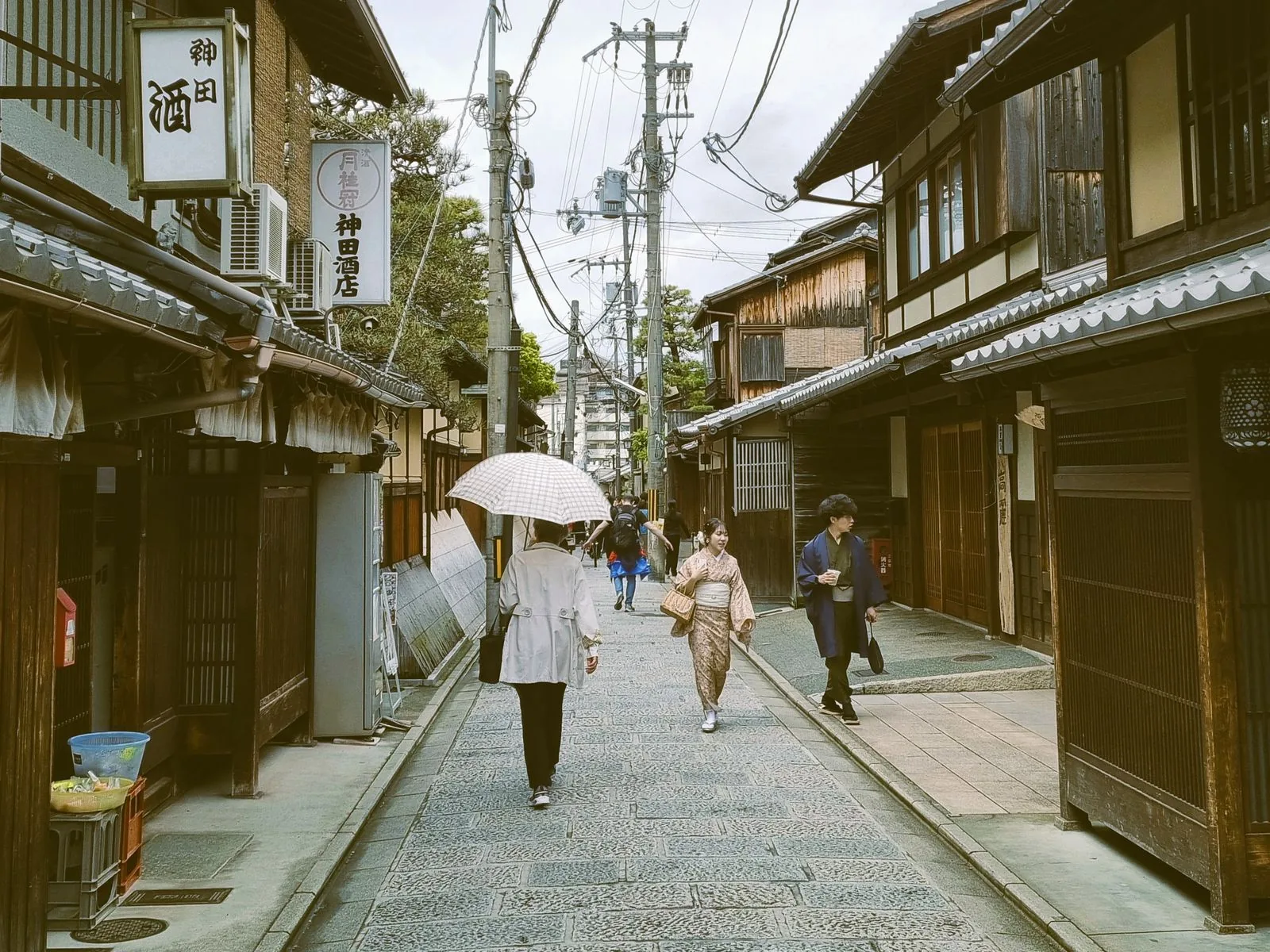
What this guide solves
This guide covers the practical logistics of a first Kyoto trip in October: getting around without speaking Japanese, handling cash and IC cards, and the small things that trip up first-time visitors.
Before you start
October in Kyoto sits between summer heat and the November foliage rush — mild weather, moderate crowds, and the start of autumn color in the second half of the month. The transport, cash, and etiquette basics below apply year-round, not just in October.
Quick facts
| Currency | Japanese yen (¥) — cash still common outside major hotels |
| Language | Japanese; English signage in major tourist areas and transit |
| Typical October weather | Mid-60s to low-70s°F daytime (18–22°C), dropping to low 50s°F (10–12°C) at night by late October |
| Recommended transport card | IC card (Icoca or Suica), works on nearly all buses, subway, and trains |
| Getting in from the airport | Kansai Airport (KIX) to Kyoto: roughly 75–90 minutes by direct Haruka express train |
For customs, etiquette, and country-wide basics beyond Kyoto, see the full Japan country guide.
Step by step
- Get an IC card (Icoca or Suica) at Kansai Airport or Kyoto Station on arrival — it works on nearly every bus, subway, and train in Kyoto without needing to buy individual tickets.
- Download a transit app (Google Maps or Navitime Japan) before you land — Kyoto's buses don't announce stops in a way that's easy to follow otherwise.
- Withdraw yen from a 7-Eleven ATM if your card doesn't work at a regular bank ATM — 7-Eleven ATMs are the most reliable for foreign cards in Japan.
- Learn the bus vs. subway split: buses cover Higashiyama and Arashiyama best; the subway is faster for north-south routes like Kyoto Station to the Imperial Palace area.
- Carry cash for small temples, older restaurants, and buses that don't take IC cards for exact fares — ¥5,000–10,000 in small bills is a reasonable daily buffer.
- Save your accommodation's address in Japanese, not just English — showing it to a taxi or bus driver solves most 'I'm lost' situations instantly.
Common mistakes and how to avoid them
- Assuming every bus takes cards the same way trains do — some older buses are cash-only for exact change.
- Not checking whether your ryokan or hotel has a curfew — some traditional accommodations lock the entrance late at night.
- Packing only summer clothes 'because it's Japan' — October evenings in Kyoto can drop to the low 50s°F (around 10–12°C), especially late in the month.
- Trying to fit Fushimi Inari, Kiyomizu-dera, and Arashiyama into one day — they're spread across the city, and this usually means rushing all three.
If your situation is different
Tight budget
Skip the IC card top-up buffer and buy a one-day bus pass (around ¥700) instead on a bus-heavy day like Higashiyama — it's cheaper than paying per ride if you're taking 4+ buses.
Traveling with young kids
Prioritize the subway over buses when possible — it's faster, has elevators at most stations, and avoids Kyoto's notorious sightseeing-season traffic.
Very short on time (1–2 days only)
Base yourself near Kyoto Station and stick to Higashiyama and Fushimi Inari — both are reachable without a day-trip-length detour.
Frequently asked questions
Do I need to speak Japanese to get around Kyoto?
No. Bus and train signage includes English, and major tourist areas are used to non-Japanese speakers. A translation app helps most for restaurants off the main tourist routes.
What do I do if I miss the last bus or train?
Taxis are widely available in central Kyoto and reasonably priced for short distances. Keep a taxi app or your hotel's phone number handy as backup.
Is October a good time to visit Kyoto?
It's a comfortable shoulder-season month — milder weather and lighter crowds than peak cherry blossom or November foliage season, though late October starts to see early autumn color and rising demand.
Related downloadable
The matching printable for this guide is in progress — browse the Checklists & Printables library for other ready-to-use downloads.
Browse Checklists & Printables