Best Time to Visit Vermont by Region, Not Just by Month
What this guide solves
If you search for the best time to visit Vermont, you will usually get a month.
September. October. Maybe June if you hate crowds.
That is not wrong. It is just not precise enough to plan a good Vermont trip.
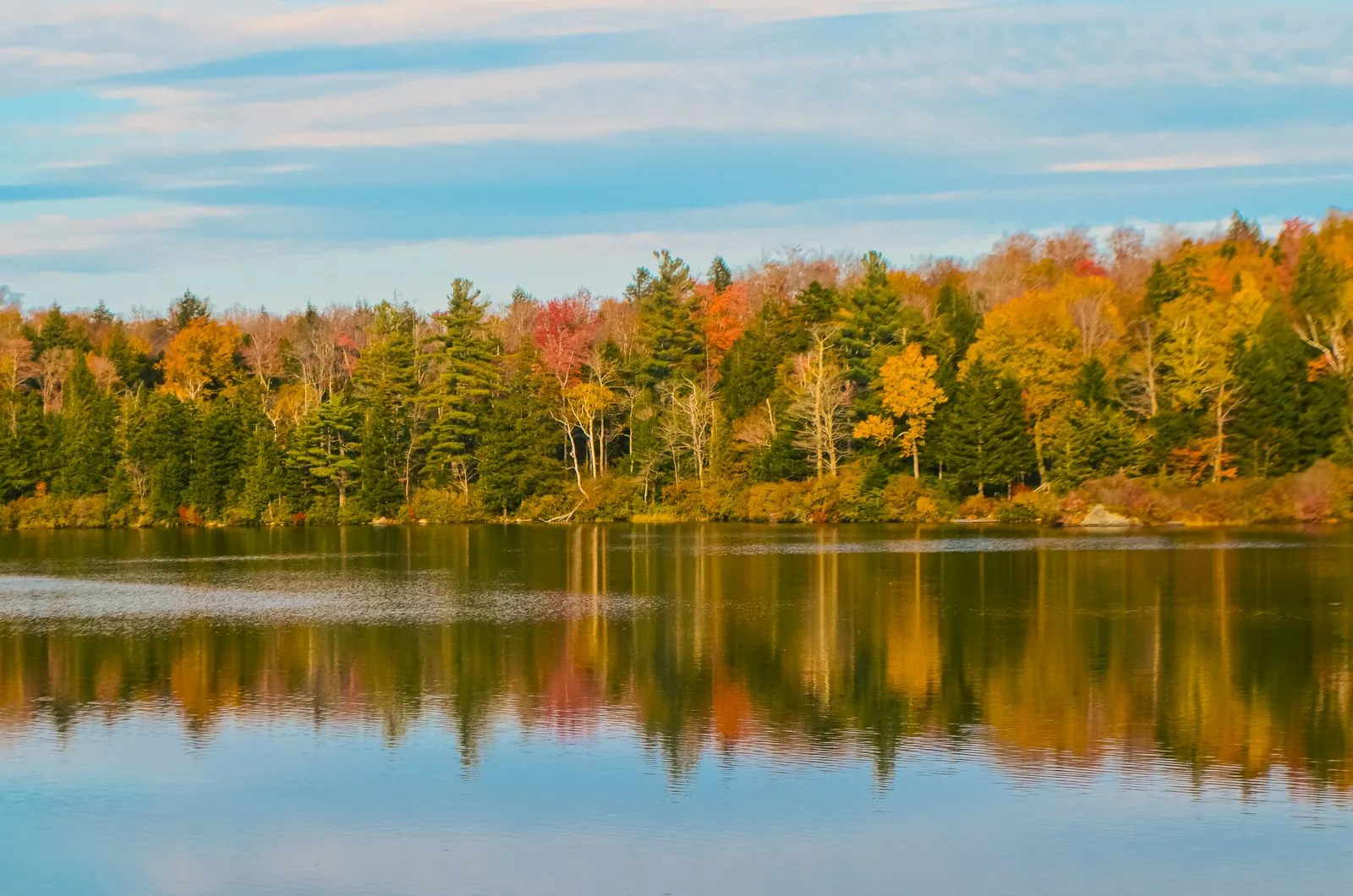
Vermont is small on a map, but the experience changes quickly with latitude, elevation, valley position and local weather. A mountain pass near Stowe can be deep into fall color while a lower valley farther south is still mostly green. A northern forest can be past peak while the Champlain Valley still has excellent color. Spring arrives in stages too. So does snow.
The better question is not:
“What is the best month for Vermont?”
It is:
“Which part of Vermont fits the season I am traveling in?”
That single shift makes the trip much easier to plan.
Quick answer
For most first-time visitors, use this rule of thumb:
| Region | Best for | Timing tendency |
|---|---|---|
| Northeast Kingdom | Quiet roads, lakes, forests, early fall color | Seasons often feel a little earlier |
| Stowe & Upper Green Mountains | Mountain scenery, hikes, classic foliage | Higher elevations change before nearby valleys |
| Champlain Valley | Burlington, farms, lake scenery, later fall flexibility | Lower elevation often holds color later |
| Central Vermont | Route 100, small towns, balanced road trip | Strong all-round choice through much of fall |
| Southern Vermont | Villages, covered bridges, slower foliage progression | Often useful later in the fall window |
For foliage specifically, Vermont Tourism advises against treating peak as one statewide date. Color typically begins first in higher elevations and northern areas, then progresses toward lower valleys and southern parts of the state. Weather, rainfall, wind and tree species can shift that pattern every year.
That means the smartest fall trip has directional flexibility built into it.
The real reason Vermont timing is tricky
Peak foliage is not a switch that flips across the state.
It behaves more like a wave.
The wave generally starts in colder, higher and more northerly places. It then moves through mid-elevation mountain towns and eventually into lower valleys and southern Vermont.
The exact pace changes every year.
A dry summer can accelerate color and leaf drop. Warm nights can slow the process. Strong wind or heavy rain can strip leaves from exposed slopes while protected valleys nearby still look spectacular.
This is why booking a single famous town for one exact weekend and expecting guaranteed peak color is a fragile strategy.
A better strategy is to choose a region with several elevation bands and multiple nearby drives, then adjust locally once you arrive.
Northeast Kingdom: best for quiet roads and an earlier autumn feel
The Northeast Kingdom sits in Vermont’s far north and feels noticeably more remote than Burlington, Stowe or Woodstock.
Think lakes, forest roads, small towns, long ridgelines and fewer polished resort stops.
It is a strong choice if you want:
- quieter foliage drives;
- less emphasis on famous village photo stops;
- lake scenery around places such as Willoughby;
- cycling, hiking and back-road exploration;
- an autumn trip that feels rural rather than curated.
Because it is farther north and includes higher terrain, fall progression can move earlier here than in southern valleys.
That does not mean you should book a specific September weekend based on a historical peak date. It means the Northeast Kingdom is one of the places to watch first when Vermont’s weekly foliage reports begin showing meaningful color.
Who should choose it
Choose the Northeast Kingdom if your ideal Vermont trip is more about landscape than town-hopping.
It is especially good for travelers who dislike crowds and are willing to trade restaurant density and convenience for a quieter experience.
Stowe and the Upper Green Mountains: best for dramatic mountain color
This is the Vermont many travelers picture first.
Stowe, Mount Mansfield, Smugglers’ Notch, Route 100 and the surrounding Green Mountains combine steep terrain with classic New England villages.
The key planning detail is elevation.
Higher slopes often change before the town centers and broader valleys below them. That means you can sometimes find very different foliage stages within a relatively short drive.
This makes the Stowe area useful when you want flexibility.
If the mountain is already past its best, you may still find good color lower down. If the valley looks early, drive higher.
Best for
- mountain hikes and gondola or lift views;
- scenic passes;
- classic Route 100 road-trip scenery;
- combining nature with restaurants and comfortable lodging;
- first-time visitors who want the iconic Vermont experience.
The tradeoff
This is also one of the places where peak-season demand is most noticeable.
If your priority is perfect solitude, there are better regions. If your priority is having multiple strong options close together, it is hard to beat.
Champlain Valley: the region people underestimate in fall
The Champlain Valley is lower and broader than the mountain spine of Vermont.
That matters.
Lower-elevation valleys often retain good foliage after higher mountain areas have moved past peak. Vermont’s own foliage reports regularly point travelers toward broad valleys when northern mountain color has begun to fade.
This makes the Champlain Valley a useful late-window fallback during autumn.
It is also one of the best regions if you want a trip that is not entirely about foliage.
Burlington gives you restaurants, shops, waterfront walks and a proper urban base. South of the city, farmland and smaller towns create a completely different landscape.
Best for
- Burlington plus countryside;
- Lake Champlain sunsets;
- farm stops and food-focused travel;
- travelers who want flexibility if mountain color is early;
- mixed-weather trips where you want indoor options too.
Why it works well for uncertain dates
If you are traveling in a period when foliage could be early, peak or slightly late, the valley gives you access to several microclimates without moving hotels every night.
You can drive toward higher terrain when needed and return to Burlington in the evening.
Central Vermont: the safest all-round road-trip choice
Central Vermont is difficult to define as one single experience, and that is exactly its advantage.
You have classic Route 100 sections, mountain towns, farms, historic villages and access to multiple elevations.
For a first Vermont road trip, this is one of the easiest areas to build around because you are not betting everything on one famous place.
Best for
- a balanced fall road trip;
- travelers who want both small towns and mountain scenery;
- people with four to seven days;
- scenic driving without pushing all the way north or south every day.
If you are unsure where to stay, think in bases rather than attractions.
Pick one town that gives you two or three different drive directions. Then let current conditions decide the exact route each morning.
That approach is much more resilient than booking five separate one-night stops.
Southern Vermont: often the smarter choice later in the season
Southern Vermont has its own rhythm.
Areas around Manchester, the southern Green Mountains, the Deerfield Valley and towns farther south often become particularly useful once northern and higher-elevation areas are moving beyond peak.
Again, this is not a guarantee of a specific date.
It is a directional planning rule.
If the statewide foliage report is saying the north is fading while southern regions are still building or holding color, this is where you pivot.
Best for
- covered bridges and village scenery;
- scenic drives with less pressure to chase famous viewpoints;
- travelers entering Vermont from Massachusetts or New York;
- later-autumn trips;
- combining foliage with inns, galleries and slower town days.
For some travelers, Southern Vermont is actually the better first trip because it is easier to reach and rewards a slower pace.
What about summer?
Summer is the easiest season to plan because the state is less dependent on one narrow visual moment.
Vermont Tourism highlights long days, lakes, trails, swimming, cycling, camping and road trips as core summer experiences.
The region you choose should depend on activity rather than temperature alone.
Choose the Champlain Valley if you want
- Burlington;
- lake access;
- cycling;
- food and farm stops;
- a mix of city and countryside.
Choose the Green Mountains if you want
- hiking;
- cooler nights at elevation;
- mountain resorts in their summer mode;
- scenic drives and waterfalls.
Choose the Northeast Kingdom if you want
- lakes and cabins;
- quiet roads;
- mountain biking;
- fewer people.
Summer is also forgiving for multi-region trips because daylight is generous and road conditions are straightforward.
Spring: choose by what you want to do, not by postcard expectations
Spring in Vermont is transitional.
Snow melts unevenly. Trails can be muddy. Higher elevations stay wintry longer than valleys. Maple sugaring happens during the transition from winter into spring.
This is not the season to expect Vermont to look uniformly lush and polished.
It is the season for travelers who like local food, maple culture, quiet towns and lower accommodation pressure.
If hiking is your priority, verify trail conditions before committing to mountain routes. Many outdoor organizations actively discourage use of muddy high-elevation trails during the most vulnerable part of spring.
For a spring trip, valleys and towns usually make a better base than building the whole itinerary around high peaks.
Winter: region matters even more
Winter Vermont splits into two very different trip styles.
One is mountain-centered: skiing, snowboarding, snowshoeing and resort towns.
The other is slow winter travel: inns, food, snowy villages, bookstores, spas and scenic drives when conditions allow.
Stowe, Killington, Okemo and other mountain areas make obvious sense for ski-focused travelers.
Burlington works better if you want restaurants and urban life with occasional winter excursions.
The important planning difference is that winter weather affects driving much more than summer or early fall.
Build in margin.
A four-hour sightseeing loop that looks harmless on a map may be a poor idea during active snowfall.
The best strategy for a foliage trip: book the framework, not the exact leaves
This is the most useful planning rule in the entire article.
Book:
- your flights;
- your rental car if needed;
- one or two well-positioned bases;
- anything that genuinely sells out.
Do not decide every scenic drive months in advance.
About a week before arrival, start checking Vermont’s official foliage updates. Then choose drives that move between different elevations and directions.
A good fall itinerary gives you options such as:
north / south if latitude is the main difference;
valley / mountain if elevation is the main difference;
east / west if weather has affected one side of the state differently.
This is far more effective than chasing one historical “peak foliage weekend.”
A simple decision table
| Your priority | Region I would start with |
|---|---|
| Earliest signs of fall | Northeast Kingdom / higher northern terrain |
| Iconic mountain foliage | Stowe & Upper Green Mountains |
| Flexible foliage base with restaurants | Champlain Valley / Burlington |
| Classic first road trip | Central Vermont |
| Later fall possibility | Southern Vermont / lower valleys |
| Summer lakes + food | Champlain Valley |
| Summer hiking | Green Mountains |
| Quiet rural escape | Northeast Kingdom |
| Ski trip | Mountain resort regions |
If you only remember one thing
Do not ask Vermont to peak on your schedule.
Build a trip that can move with the season.
That means choosing the right region, staying flexible about daily routes and checking current conditions close to departure.
Vermont Tourism’s own guidance makes the pattern clear: foliage generally starts earlier in the north and at higher elevations, then progresses toward valleys and southern areas, while weather can move the timing in either direction.
The traveler who understands that has a much better chance of seeing beautiful Vermont than the traveler who books one famous town for one famous weekend and hopes history repeats itself.
Sources for planning close to your trip
For current conditions, use the official Vermont Fall Foliage Report and Vermont Tourism’s guide to the best time to see foliage. For broader seasonal planning, see Vermont Seasons.
Related downloadable
The matching printable for this guide is in progress — browse the Checklists & Printables library for other ready-to-use downloads.
Browse Checklists & Printables