Vienna in November: When to Go for the Best Weather and Fewest Crowds
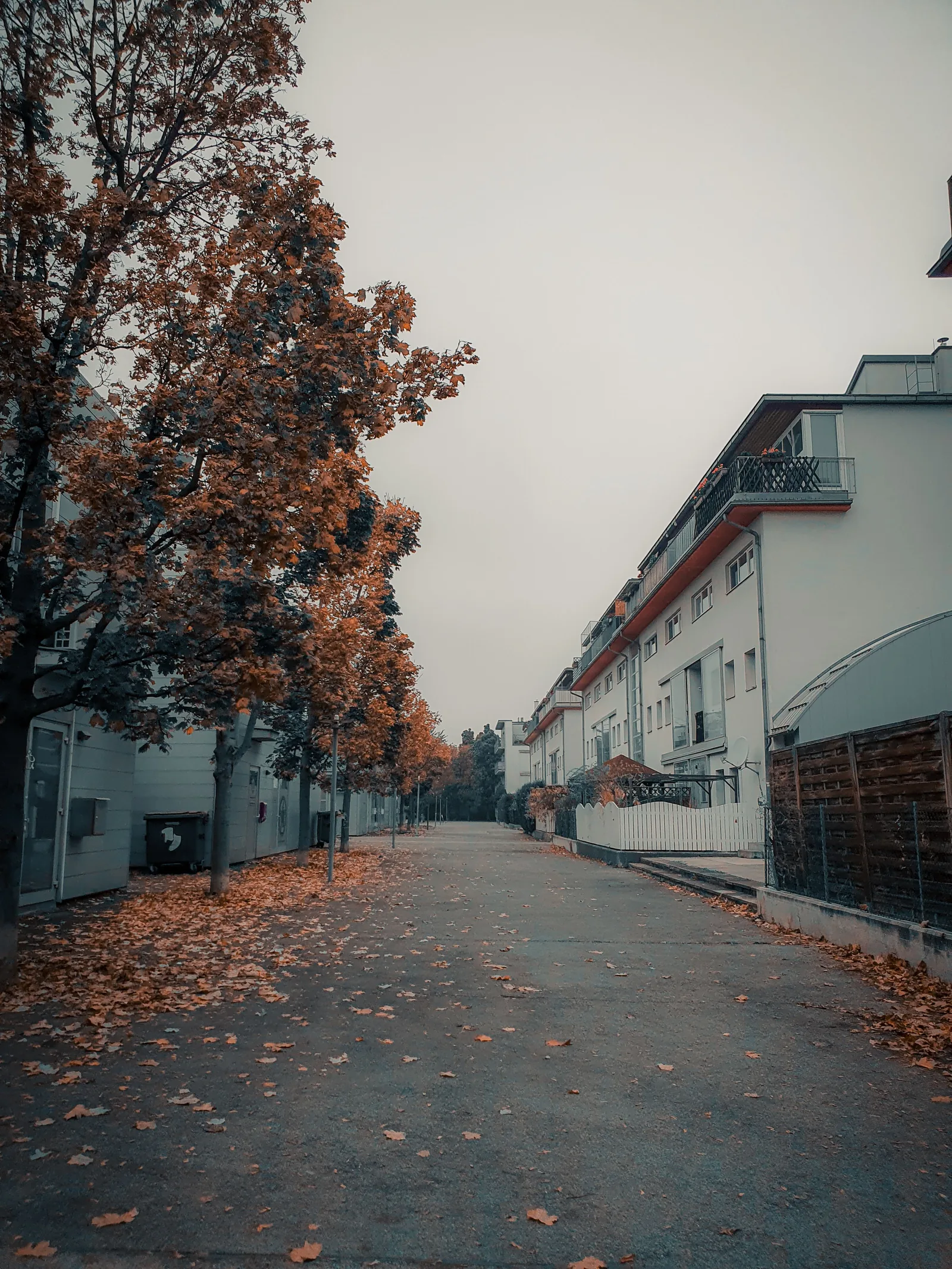
Quick answer
For the best balance of manageable crowds and a classic late-autumn city break, early November is usually the easiest window. Mid-November is the better choice if you want the first Christmas markets without peak December pressure. Late November gives you the strongest festive atmosphere, but with colder, darker days and noticeably more visitors around major market areas.
November in Vienna is not one travel season.
It is three different versions of the city packed into one month.
Early November still feels like late autumn. Mid-month is the transition. By late November, Vienna has moved decisively into its Christmas-market season.
That means the usual question — “Is November a good time to visit Vienna?” — is too vague to be useful.
The better question is:
Which part of November gives you the version of Vienna you actually want?
The quick decision
| If you want… | Best window |
|---|---|
| The quietest sightseeing | Early November |
| The best chance of milder conditions | Early November |
| Museums without December-level festive crowds | Early to mid-November |
| Christmas markets without waiting until December | Mid-November |
| Full festive atmosphere | Late November |
| The easiest hotel availability | Usually early November |
| Long outdoor sightseeing days | None — daylight is already limited |
If Christmas markets are not important to you, I would normally choose the first third of November.
If Christmas atmosphere is the reason for the trip, choose mid-to-late November and accept the trade-off: colder, darker days and more concentrated crowds.
What November weather actually feels like
Vienna in November is not reliably snowy, dramatically wintry or romantically crisp every day.
It is often cool, damp, grey and changeable.
You should plan for:
- chilly mornings;
- single-digit Celsius temperatures on many days;
- rain or drizzle;
- overcast skies;
- occasional brighter, milder afternoons;
- cold evenings that feel significantly harsher once the sun disappears.
The important planning detail is not the monthly average.
It is the combination of cool temperatures + short daylight + time spent standing outside.
A temperature that feels manageable while walking can feel much colder when you are waiting at a Christmas-market stall or standing outside Schönbrunn.
Early November: best for conventional sightseeing
If your priority is Vienna itself rather than Christmas Vienna, this is the strongest part of the month.
The city has already moved beyond peak autumn tourism, but the major festive season has not yet fully taken over.
Why early November works
You are more likely to get:
- quieter streets around major sights;
- easier museum visits;
- fewer market-related bottlenecks;
- better hotel choice than later in the month;
- slightly more daylight than at the end of November;
- a trip that feels like Vienna rather than a Christmas-market circuit.
Who should choose it
Choose early November if you care most about:
- Schönbrunn Palace;
- the Hofburg;
- Belvedere;
- art museums;
- coffeehouses;
- architecture;
- walking the historic center without festive-event crowds dictating your route.
The downside
You are traveling in a seasonal gap.
The leaves may be past their best, winter has not fully arrived, and many Christmas markets may not yet be open.
If the visual dream in your head is lights, decorated squares and mugs of punch, early November may feel too early.
Mid-November: the transition sweet spot
This is the most interesting part of the month because Vienna changes quickly.
The city’s official Christmas-market season begins progressively from early to mid-November, with many major markets opening around the middle of the month. Exact dates vary from year to year, so check the official Vienna calendar for your travel dates.
By mid-November you can often combine:
- ordinary sightseeing during the day;
- museums when the weather turns poor;
- Christmas markets in the late afternoon or evening;
- a festive atmosphere without the full December rush.
This is the window I would choose for a traveler who says:
“I want Christmas Vienna, but I do not want the trip to be only about Christmas markets.”
Late November: best atmosphere, highest friction
By the final third of November, Christmas Vienna is fully visible.
Major squares are lit, seasonal markets are running, and the city feels dramatically more festive after dark.
That is the upside.
The downside is that you are no longer traveling in Vienna’s quiet November shoulder season in the same way.
Crowd pressure increases in precisely the places many first-time visitors want to see:
- Rathausplatz;
- Stephansplatz;
- Schönbrunn;
- Belvedere;
- central shopping streets;
- major market areas after dark.
Late November is worth it if…
- Christmas markets are one of your main reasons for traveling;
- you actively like seasonal atmosphere;
- you do not mind cold evenings;
- you are happy to schedule famous indoor sights earlier in the day;
- you accept that “fewest crowds” is no longer the primary advantage of November.
The crowd pattern nobody explains
Vienna’s November crowds are time-sensitive, not just date-sensitive.
A market square that feels manageable at 2:30 p.m. can feel completely different at 6:00 p.m.
The pattern is often:
morning → quieter
midday → sightseeing traffic builds
late afternoon/evening → festive areas become much busier
This gives you a useful strategy.
In mid-to-late November
Do major sightseeing first.
Then move toward markets and lit streets later in the day, when the atmosphere is actually better anyway.
Trying to do a crowded market at 5 p.m. and then rush into a museum afterward is usually the wrong order.
The daylight problem matters more than the cold
Visitors often over-plan November because they think in terms of summer sightseeing hours.
The real constraint is usable daylight.
By November, the afternoon disappears quickly.
That affects:
- outdoor palace gardens;
- city photography;
- walking-heavy itineraries;
- viewpoints;
- day trips;
- how many neighborhoods you can comfortably explore before dark.
Do not assign five major outdoor stops to one November afternoon.
If something is visually important in daylight, put it before lunch or early afternoon.
Use the darker hours for:
- museums;
- cafes;
- dinner;
- concerts;
- Christmas markets;
- illuminated central streets.
Is November too cold for Vienna?
For most city-break travelers, no.
But the wrong clothing can make it feel much worse than the forecast suggests.
You do not need expedition gear.
You do need:
- a warm outer layer;
- something wind-resistant;
- shoes that tolerate wet pavements;
- layers you can remove indoors;
- gloves or a scarf if you get cold easily;
- a small umbrella or hood.
Vienna’s museums, cafes and public transport are warm, so wearing one giant non-removable layer can be less comfortable than layering properly.
Should you expect snow?
No.
Snow is possible, especially as the month gets colder, but it should not be the reason you book November.
Plan for cold rain and grey skies.
If snow appears, treat it as a bonus rather than a promise.
This matters because unrealistic winter expectations are one of the easiest ways to be disappointed by a November trip.
What happens to prices through the month?
November can offer better value than the peak summer period, but the month is not uniform.
As Christmas markets open and seasonal demand rises, the accommodation advantage can shrink on popular weekends.
So do not assume:
November = cheap Vienna.
Instead compare:
- early-November weekday rates;
- mid-month weekends;
- late-November weekends;
- your exact hotel, not a citywide average.
If hotel prices jump sharply on your preferred dates, shifting the trip by three or four days can matter more than saving money on food or transport.
Best November window by traveler type
First-time visitor
Early to mid-November.
You get easier sightseeing and can still catch the beginning of the festive season if your dates line up.
Christmas-market traveler
Mid-to-late November.
Go when the markets you care about are definitely operating. Verify their annual opening dates before booking.
Museum lover
Any part of November, but early month is the calmer choice.
Bad weather is much less of a problem when your priority list is indoors.
Photographer
Early November for remaining autumn atmosphere and somewhat more useful daylight; late November if you specifically want festive night photography.
Budget traveler
Start by pricing early November weekdays.
Do not assume late-November Christmas-market weekends will preserve shoulder-season hotel prices.
Couple looking for atmosphere
Late November is the romantic choice if cold weather is not a problem.
Vienna after dark is much more visually rewarding once the seasonal lights are up.
Weekdays vs weekends
If you have flexibility, favor weekdays.
This is especially useful once Christmas markets begin.
A Tuesday afternoon at a market and a Saturday evening at the same market can feel like different trips.
For a three-day visit, a structure like Sunday evening through Wednesday or Monday through Thursday can reduce some of the busiest leisure-travel pressure while keeping almost everything open.
Always confirm closure days for the specific museums you care about.
The best time of day for Vienna’s famous sights in November
St. Stephen’s Cathedral and central streets
Go early if you want space.
Return after dark if you want atmosphere.
Those are two different experiences; you do not have to choose only one.
Schönbrunn
Prioritize morning or early afternoon for the palace and grounds.
If a seasonal market is operating, staying into the darker hours can make sense — but do not sacrifice all your daylight to do it.
Belvedere
Book an early or timed museum slot if you are visiting the collections, then use the rest of the day flexibly.
Christmas markets
Go once before peak evening time if you want to browse properly.
Go again after dark if you care about atmosphere.
When I would personally choose
If I wanted the best all-round first trip, I would aim for roughly the second week of November.
It gives you a reasonable chance of calmer sightseeing while putting you close to the seasonal transition.
If I wanted Christmas Vienna, I would choose the second half of the month and stop pretending I was also optimizing for the fewest crowds.
That is the central trade-off:
the more festive Vienna becomes, the less quiet November becomes.
The decision table
| Priority | Early Nov | Mid Nov | Late Nov |
|---|---|---|---|
| Fewer crowds | ★★★ | ★★ | ★ |
| Better chance of milder weather | ★★★ | ★★ | ★ |
| Christmas atmosphere | ★ | ★★ | ★★★ |
| Market availability | ★ | ★★ | ★★★ |
| Hotel value | ★★★ | ★★ | ★–★★ |
| Night photography | ★ | ★★ | ★★★ |
| Museum trip | ★★★ | ★★★ | ★★★ |
| Outdoor sightseeing | ★★★ | ★★ | ★★ |
The simplest answer
Choose early November if you want Vienna with fewer people.
Choose mid-November if you want the best compromise.
Choose late November if you want Vienna to feel like Christmas.
Do not choose late November for Christmas markets and then complain that the Christmas markets are crowded.
And do not choose early November expecting a fully decorated festive city.
November rewards travelers who decide which version they want before they book.
Related downloadable
The matching printable for this guide is in progress — browse the Checklists & Printables library for other ready-to-use downloads.
Browse Checklists & Printables