Solo Travel to The Scottish Highlands: Is It Actually a Good Idea Right Now?
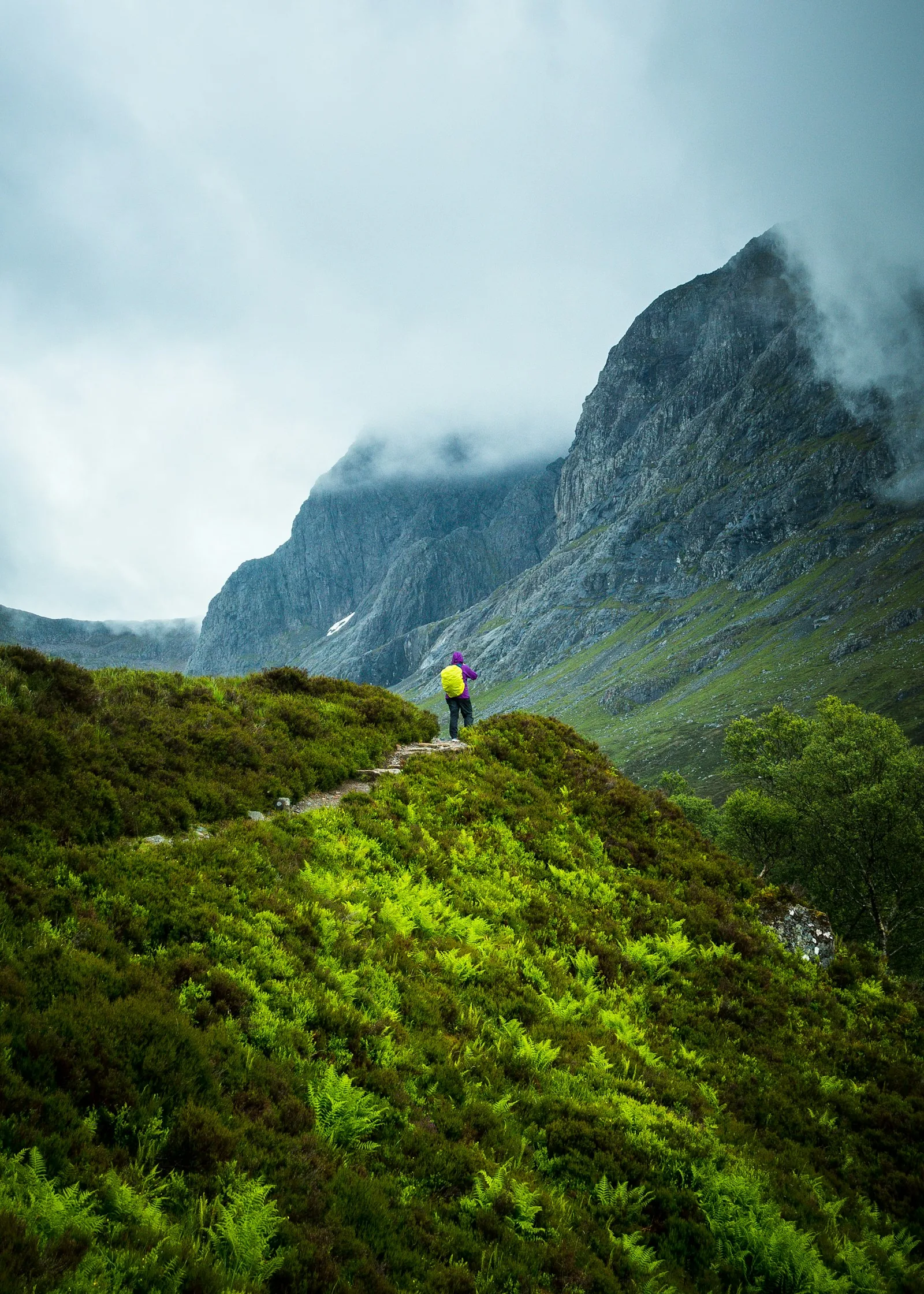
Quick answer
Yes — the Scottish Highlands are a good solo destination for an independent traveler who is comfortable planning around weather and transport. Personal safety is usually not the main problem; VisitScotland describes Scotland as generally safe and the Highlands as very safe with normal precautions. The bigger risks are practical: remote terrain, fast-changing weather, infrequent rural transport, weak phone signal in places, and overestimating what 'solo hiking' should mean. A solo city-to-city Highlands trip is straightforward. A solo mountain trip without navigation skills is a different proposition.
The Highlands are solo-friendly — but not in the way people usually mean
When people ask whether the Scottish Highlands are “safe for solo travel,” they often mix together three completely different questions:
- Will I feel safe on my own in towns, hostels, buses and trains?
- Can I get around without another person or a car?
- Can I safely walk into remote mountain terrain alone?
The answers are not identical.
For ordinary travel, the Highlands are one of the easier places to be alone. VisitScotland currently describes Scotland as generally safe and friendly, and says the countryside and Highlands are very safe as long as visitors use normal precautions and plan for the weather.
The difficult part begins when “solo travel” quietly turns into solo wilderness travel.
That is where the planning standard needs to rise.
Personal safety: this is probably not the part to worry about most
The usual solo-travel habits still apply: keep valuables secure, use official taxis, avoid poorly lit unfamiliar streets late at night, and stay aware of your surroundings.
But the Highlands do not require a special fear-based safety strategy.
VisitScotland describes public transport as generally safe, reliable and well used, with CCTV and staff present on many services. Pickpocketing and scams are described as rare in Scotland overall.
For most solo travelers, the bigger practical questions are:
- When is the last bus back?
- What happens if the weather closes in?
- Do I have signal on this route?
- Is this walk still appropriate if visibility drops?
- Is the next village actually walkable from where I am staying?
That is the useful shift in mindset.
The easiest version of a solo Highlands trip
If this is your first time traveling the Highlands alone, build around bases with services rather than trying to be constantly remote.
Inverness
Probably the easiest first base.
You have rail connections, buses, supermarkets, accommodation choices, cafés, tours, taxis and straightforward access to places such as Loch Ness and Culloden. If a plan fails, you have alternatives.
Aviemore
A strong choice if your priority is the Cairngorms.
You can reach it by rail, it has outdoor shops and services, and there are popular lower-level routes nearby. It gives you a mountain-trip feeling without immediately requiring a car or a remote overnight base.
Fort William
Excellent for Glen Nevis, Ben Nevis access and west-coast scenery.
It is still a real town with useful infrastructure, but onward transport needs more timetable awareness than an urban itinerary.
The common theme is redundancy. A good solo base gives you a second plan when the first plan fails.
Public transport works — if you respect the timetable
VisitScotland says the Highlands have local bus links connecting places including Inverness, Fort William and Aviemore. In 2026, Stagecoach’s Highlands pilot also caps many eligible single fares at £2, which makes some no-car itineraries unusually affordable.
But cheap does not mean frequent.
A bus that costs £2 and runs three times a day is still a constraint.
For solo travel, I would use a simple rule:
never build a remote day around the last possible connection.
If the only way back is the final bus at 18:10, you do not really have a flexible day. You have an appointment at 18:10.
Aim for the connection before the last one whenever possible.
That margin is more valuable when you are alone because there is nobody else in the group to solve a missed connection with a second phone, a second bank card or a different idea.
Solo hiking: separate the romantic version from the responsible version
This is where generic solo-travel advice becomes dangerous.
A person can be highly confident traveling alone and still be inexperienced in mountain navigation.
Those are different skills.
VisitScotland’s current outdoor-safety guidance says solo hiking is usually fine on well-marked, popular routes, but warns that remote areas become risky if weather deteriorates. It recommends telling someone where you are going and when you expect to return.
Mountaineering Scotland goes further and recommends a proper late-back procedure for people heading out alone: leave a route card or detailed plan with someone you trust, including your route, expected return time, start/parking location, clothing and phone number.
This is not overcautious paperwork.
If you are overdue, rescuers need to know where to start looking.
A practical solo-hike ladder
Rather than asking “Can I hike alone?”, decide which level you are actually ready for.
| Level | Example | Solo suitability |
|---|---|---|
| 1 | Popular low-level walk near a town | Good for most prepared travelers |
| 2 | Longer marked trail with easy exit options | Good with basic outdoor experience |
| 3 | Remote hill route with navigation required | Only if you genuinely have those skills |
| 4 | Munro in poor visibility / winter conditions | Not a beginner solo activity |
| 5 | Exposed scrambling, severe weather or unfamiliar winter terrain | Consider a qualified guide / experienced partner |
The point is not that solo hiking is reckless.
The point is that confidence should match the terrain.
The weather matters more when nobody else is with you
VisitScotland notes that Scottish weather can change within minutes, particularly in coastal, hill and Highland areas. Strong winds and storms can also disrupt ferries, trains, roads and buses.
When you are with someone else, a deteriorating situation gives you two sets of judgment, two phones, two people carrying equipment and another person to help if you are injured.
Alone, small problems compound faster.
For that reason, a solo traveler should be more willing — not less — to downgrade a plan.
If the mountain forecast looks poor, a forest walk, loch-side route, castle, museum or scenic train day is not a failed trip.
It is good decision-making.
Phone signal should never be your navigation plan
A smartphone is useful, but it should not be the only thing keeping you oriented.
Mountaineering Scotland treats navigation as an essential hill skill and specifically covers maps, compasses, GPS and smartphone apps as tools — not substitutes for knowing how to navigate.
For any route where losing the path would matter:
- Download the map offline.
- Carry a power bank.
- Know where the route exits are.
- Carry a paper map/compass when the terrain warrants it.
- Do not assume emergency help will be one quick app tap away.
The more remote the day, the less your plan should depend on a perfect mobile connection.
What I would do alone — and what I would not
I would happily do alone
- Stay in Inverness, Aviemore or Fort William.
- Use trains and buses between major bases.
- Walk well-established lower-level routes.
- Spend a day around Loch Ness or Culloden.
- Use hostels or sociable guesthouses if I wanted easy conversation.
- Take a guided excursion for a hard-to-reach area instead of forcing the logistics.
I would reconsider alone unless I had the skills
- A remote Munro because “everyone says it is beginner friendly.”
- A route I had never researched with poor weather forecast.
- A hike whose return depends on one final bus.
- A winter mountain day without winter skills/equipment.
- An exposed route where a slip would have serious consequences.
- Driving long single-track roads after an exhausting hiking day just to fit more into the itinerary.
That distinction matters far more than whether you identify as a “solo traveler.”
Solo travel is actually an advantage in some parts of the Highlands
There are benefits that do not get discussed enough.
You can take the one remaining hostel bed. You can change a route because the weather is better somewhere else without negotiating with a group. A single train seat or bus seat is easier to find. You can spend three hours at one loch because you like it rather than because it is on the itinerary.
And the social side is often easier than expected.
Hostels, walking tours, pubs, day tours and small-group outdoor activities give you plenty of ways to be around people without needing a travel companion for the whole trip.
Solo does not have to mean isolated.
When a guide is worth paying for
A guide is not an admission that you “cannot travel alone.”
It is often the rational way to access terrain beyond your current skill level.
If your dream day involves a serious mountain, winter conditions, scrambling, or navigation in terrain you do not understand, paying a qualified guide can turn a trip from stressful to genuinely educational.
You get the route, local conditions, decision-making and skills — not just company.
For a first Highlands trip, I would rather spend money on one excellent guided mountain day than spend the same amount rescuing an overambitious itinerary with taxis and last-minute changes.
A very workable first solo itinerary shape
For four or five days, this is a sensible structure:
| Day | Base | Plan |
|---|---|---|
| 1 | Inverness | Arrive, city walk, Ness Islands, groceries, check transport |
| 2 | Inverness | Loch Ness or Culloden by public transport |
| 3 | Aviemore | Travel + easy Cairngorms-area walk |
| 4 | Aviemore | Weather-dependent hiking day or guided activity |
| 5 | Aviemore / onward | Short morning walk, train onward |
Notice what is missing: no frantic loop through Skye, Glencoe, Loch Ness and the Cairngorms.
The solo version gets better when you remove unnecessary failure points.
If you want the numbers behind a trip like this, see The Scottish Highlands on a Budget: What $70/Day Actually Buys You. For a short-trip structure, use Weekend in The Scottish Highlands: A Realistic Time-Block Itinerary.
The decision
Go solo if you like independent travel, can adapt plans, and are prepared to treat mountain conditions seriously.
Go solo but keep the hiking conservative if this is your first mountain destination or you do not yet have navigation skills.
Add a guide or walking group if a major summit or technically demanding route is central to the trip.
Choose a different trip style if what you really want is a fast, remote road trip but you dislike driving alone, or if uncertainty around weather and transport would make the experience stressful rather than exciting.
The Scottish Highlands are not a destination where being alone is inherently the problem.
The problem is treating remoteness as if it were just scenery.
Sources and current planning checks
This guide is based on current guidance from VisitScotland’s outdoor safety information, VisitScotland’s transport and Scotland FAQs, Mountaineering Scotland’s route-card guidance, and Mountaineering Scotland’s essential skills resources. Check the weather forecast and exact transport timetable again immediately before any remote day.
What changes this answer
- Personal safety is generally favorable. VisitScotland describes Scotland as safe and welcoming, with the Highlands very safe when visitors use normal precautions and plan for weather.
- Public transport works, but rural frequency matters more than crime. VisitScotland notes that buses, trains and ferries connect most towns and islands, while services can be less frequent in remote areas.
- Solo hiking is not one category. A marked low-level route near Aviemore is very different from a remote Munro in poor visibility.
- Weather changes quickly in Highland and mountain areas, and autumn/winter storms can disrupt buses, trains, ferries and roads.
- A late-back plan matters. Mountaineering Scotland explicitly recommends leaving a route card with a trusted person when heading out alone.
Recommendation by traveler profile
First solo trip
Base yourself in Inverness or Aviemore, use trains/buses, take popular low-level walks, and keep your first few days logistically simple. The Highlands do not need to be your first-ever navigation challenge.
Confident city solo traveler
You will probably find the social/personal-safety side easy. Shift your attention to last buses, weather and route planning — the problems are different from those in London, Paris or Rome.
Experienced hiker
Solo days can be excellent if you already know how to navigate, assess conditions and turn back. Leave a detailed route and expected return time with someone.
New mountain hiker
Do not make a remote Munro your proof that you can travel alone. Choose a popular lower-level trail, join a guided hike, or take a navigation course first.
Frequently asked questions
Is the Scottish Highlands safe for solo female travelers?
Personal safety is generally favorable, and VisitScotland describes Scotland as a safe and friendly destination. For a solo woman, the more distinctive Highlands risks are isolation, weather and transport gaps rather than unusually high street-crime risk. Normal precautions still apply in towns, stations and accommodation.
Can I travel the Highlands alone without a car?
Yes, especially if you base yourself around Inverness, Fort William or Aviemore and build the itinerary around actual timetables. Local buses connect many major Highland towns and villages, but rural frequency can be limited.
Is it safe to hike alone in Scotland?
It depends on the route and your skills. VisitScotland says solo hiking is usually fine on well-marked popular routes, while remote areas become riskier when weather changes. Mountaineering Scotland recommends route planning, navigation skills and a late-back procedure.
What should I do before a solo hike?
Tell a trusted person your planned route, expected return time, where you parked or started, what you are wearing and your phone number. Carry appropriate layers, waterproofs, food, water, navigation tools and a charged phone — and be willing to turn back.
Where is easiest for a first solo Highlands trip?
Inverness is the easiest all-round base for transport and services. Aviemore is excellent if hiking and the Cairngorms are the focus. Fort William works well for Glen Nevis and west-coast scenery, but some trips from there still require careful bus planning.
Related downloadable
The matching printable for this guide is in progress — browse the Checklists & Printables library for other ready-to-use downloads.
Browse Checklists & Printables