Nº 14
Antarctica
Antarctic Peninsula 64.80° S · 62.90° W
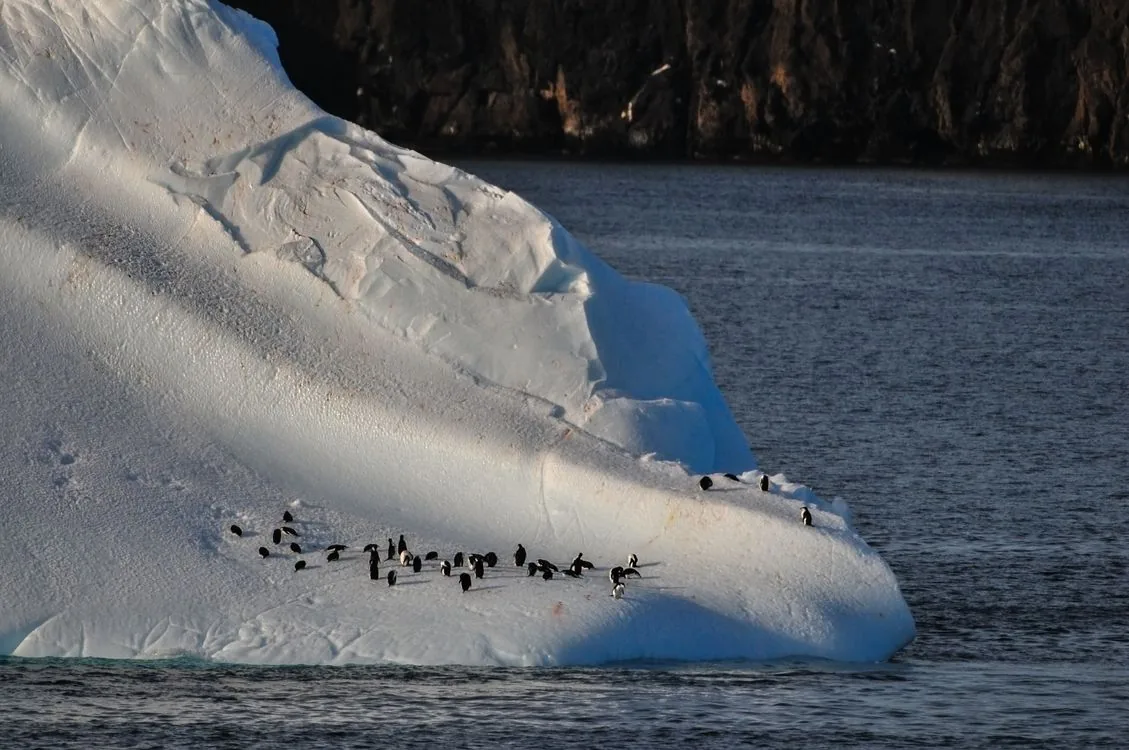
The White Continent: icebergs the size of buildings, glaciers calving into silent bays and penguin colonies stretching across the snow.
“Cutting the Zodiac's engine in a bay full of floating ice, hearing only the crackle of the ice and, somewhere nearby, a whale breathing.”
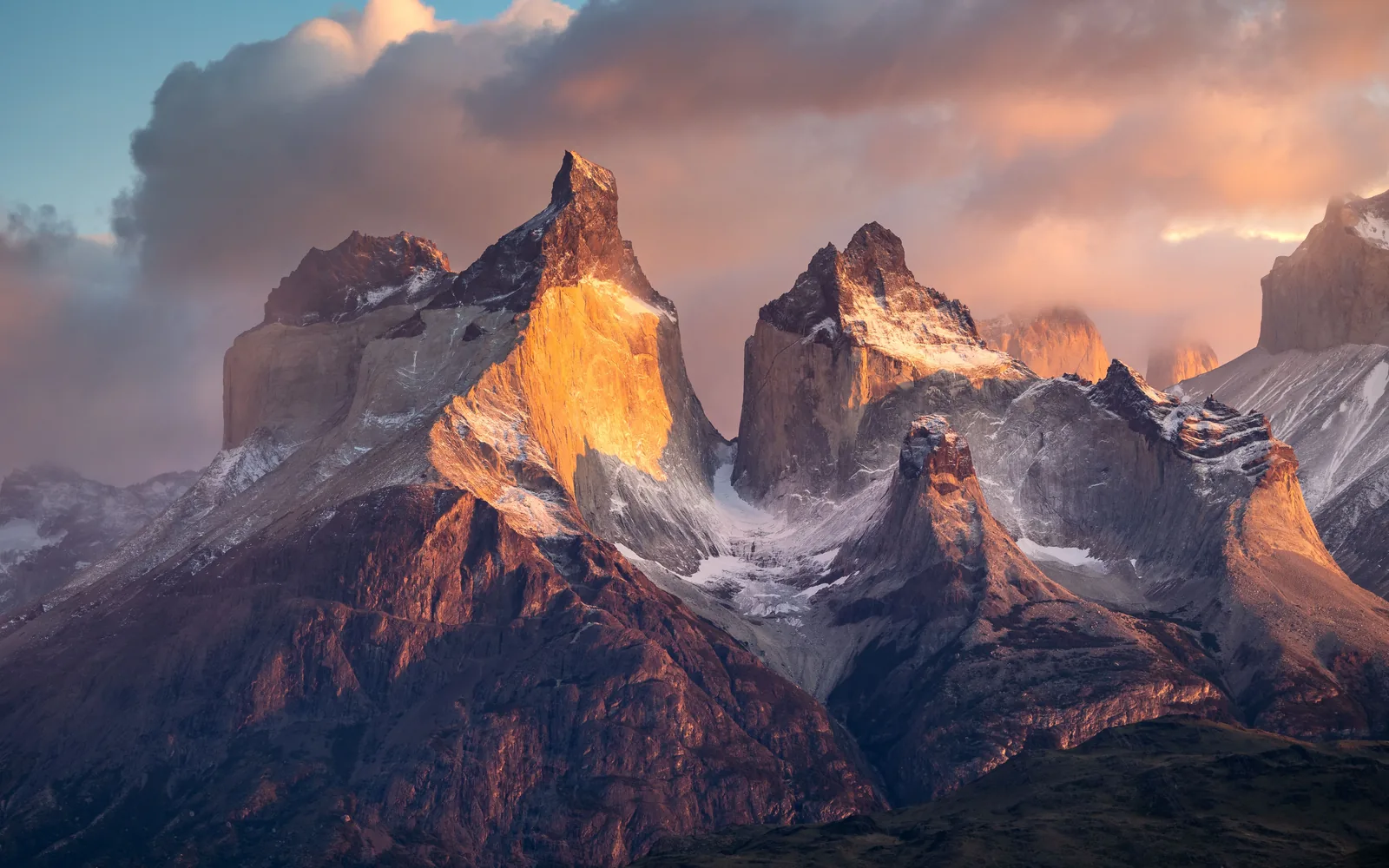
There’s a moment on every Antarctic voyage when the ocean changes. After two days crossing the Drake Passage, the first iceberg drifts past the ship — and then the horizon fills with white mountains, blue glaciers and black water scattered with ice. Antarctica is the coldest, windiest, most remote continent on Earth, and it doesn’t belong to any country.
It belongs on the list because it’s the last true wilderness most of us will ever see. There are no towns, no roads and no souvenir shops — only penguins waddling in their thousands, seals sleeping on floating ice and whales surfacing beside tiny rubber boats. The silence is so deep that when a glacier calves, the thunder echoes across the bay.
And it changes the way people see the world. Travellers come back talking less about the photos than about the scale, the light and the feeling of being a visitor somewhere that isn’t made for us. It’s expensive and far away. For those who go, it’s rarely just a trip — it’s the trip.
From someday to a real plan
- Days needed
- 10–14 days
- Best months
- Dec – Feb
- Budget
- US$9,000–20,000 per person for the voyage
- Getting there
- Expedition
- Crowds
- Near-empty
A classic Antarctic Peninsula voyage from Ushuaia is 10–12 days, including about two days each way crossing the Drake Passage. Fly-cruises skip the crossing and run 8–10 days.
The height of the short season (roughly November to March): long days, active penguin colonies and the mildest weather. February–March is best for whales.
Entry-level shared cabins on Drake-crossing expeditions start around US$7,500–9,000; fly-cruises and suites cost far more. Flights to Ushuaia or Punta Arenas, insurance and gear are extra. Orientation ranges — verify before booking.
Ships leave mainly from Ushuaia, Argentina. Fly-cruises fly from Punta Arenas, Chile, to King George Island — weather permitting.
Tourism is tightly regulated: typically no more than 100 visitors ashore at one landing site at a time, and ships coordinate schedules.
The year at a glance
- Jan
- Feb
- Mar
- Apr
- May
- Jun
- Jul
- Aug
- Sep
- Oct
- Nov
- Dec
There is no tourism outside roughly November to March, when sea ice and darkness close the region. November brings pristine snow and penguin courtship, December–January chicks and near-24-hour light, February–March peak whale activity.
What you'll remember
- 01
Your first iceberg
Usually spotted as the ship leaves the Drake Passage — and then hundreds more, in shapes and blues that don't look real.
- 02
A penguin colony
Gentoo, chinstrap and Adélie penguins nest on the Peninsula. The noise and smell are part of the experience.
- 03
The Lemaire Channel
A narrow, cliff-lined passage often called one of the most beautiful stretches of water on Earth, when ice allows ships through.
- 04
Whales in the bays
Humpback, minke and orca sightings are common later in the season, sometimes right beside the Zodiacs.
- 05
Stepping onto the continent
Many voyages include a landing on the Antarctic mainland itself, not just nearby islands.
- 06
Deception Island
A flooded volcanic caldera that ships sail right into through a narrow gap called Neptune's Bellows.
How the trip fits together
- 1–2 nights
Ushuaia
The departure port at the tip of Argentina. Arrive early in case of flight delays.
- ~2 days
Drake Passage
Open ocean crossing — calm or rough depending on luck, with lectures and seabirds on the way.
- 5–6 days
Antarctic Peninsula
Zodiac cruises, landings, kayaking and whale watching, planned day by day around ice and weather.
- ~2 days
Drake Passage return
Back to Ushuaia.
Put it on your list if…
- This is the trip of a lifetime and you're ready to budget for it.
- Wildlife, ice and silence matter more to you than comfort or nightlife.
- You accept that weather and ice decide the itinerary, not you.
Maybe skip it if…
- You get severely seasick and can't afford a fly-cruise.
- The cost would mean giving up several other big trips you care about more.
- You need fixed plans — landings change or cancel with conditions.
- Book with operators that are members of IAATO, the association that sets responsible-tourism guidelines for Antarctica.
- Most operators require travel insurance with substantial medical evacuation cover — check the minimum before you buy a policy.
- Check Argentina's or Chile's entry requirements for your passport, depending on your departure port.
- Expect strict biosecurity: gear is cleaned and inspected before landings to avoid carrying seeds or pathogens.